How the rental market actually works
For anything longer than a couple of weeks, skip Booking and Airbnb and rent directly. In Vietnam, Facebook is the real housing market. Search groups such as 'Hanoi Massive', 'Hanoi Expats' and the dedicated West Lake / Tây Hồ housing groups, where both landlords and agents post listings daily. For Russian-speakers, the primary organizing tool is Telegram groups for Hà Nội and Vietnam expats; there is no separate Russian rental channel of its own, so combine those Telegram groups with the Facebook ones.
Zalo is the default messenger in Vietnam, so install it before you arrive. You will usually do first contact, viewings and negotiation over Zalo. Agents are common and often useful for proper apartments, but their listings run pricier than direct-from-owner deals; the same 'studio' can appear at a nomad's price direct and much higher through an agency. It is normal, and worth it, to line up several viewings in a day and compare.
Furnished vs unfurnished, and what a lease looks like
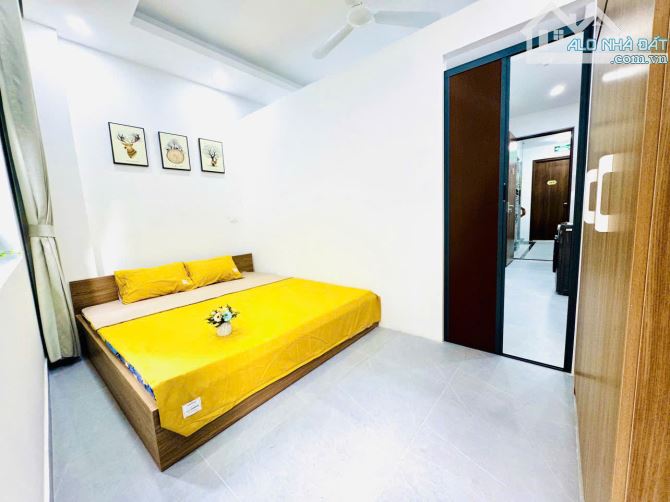
Most expats rent furnished, and supply of furnished apartments is large, especially in Tây Hồ and the modern west-side buildings. Furnished typically means beds, sofa, kitchen appliances, air conditioning and often a washing machine, so you can move in with a suitcase. Unfurnished is cheaper per month but only makes sense for longer stays where buying furniture pays off.
Contracts usually start from three months; agencies often push for a 12-month minimum on proper apartments. Everything is negotiable — rent, deposit and which utilities are included — especially off-season or when you commit to a longer term. Insist on a signed, dated contract, ideally bilingual in English and Vietnamese, that names the tenant, the landlord, the rent, the deposit and the term. A separate but important point: landlords are supposed to register foreign tenants with the local police (a temporary residence declaration). Confirm this is being handled, because it matters for your visa paperwork later.
Deposits and getting your money back
Deposits in Hà Nội are typically two to three months' rent, which is higher than Ho Chi Minh City's one to two months. Sometimes it is a fixed sum instead, roughly a few hundred to around a thousand dollars depending on the place. Avoid cheap guesthouses that ask to hold your passport.
Getting the deposit back is the classic dispute: some landlords invent 'damage' at the end. Protect yourself on both ends. On move-in, photograph and video everything, including existing scuffs and marks, and keep timestamps. On move-out, do a joint inspection, take photos again, and get a written 'no damages' acknowledgement before you hand back the keys. Serviced apartments run strict move-out inventories and will charge for small items — one family in a Times City serviced flat was billed for worn slippers and charged extra for curtains — so the documentation habit matters most there.
Utilities: electricity is where you get overcharged
Electricity is the single biggest variable and the top overcharge risk in Hà Nội. The official residential rate is roughly 2,000 to 2,050 VND per kWh (around seven to eight US cents). Many expat buildings and landlords quietly charge inflated flat rates — think ten to fifteen cents or more, sometimes 3,000 to 3,500 VND — which adds up fast. Insist the contract states that electricity and water are billed at the official government provider rate, ask to see the actual meter, and ask for a few past bills. Be wary of vague 'service fees' and fake meters.
Budget roughly for the rest: water is cheap, often a small per-cubic-meter rate or a low flat monthly fee; fiber internet is inexpensive and frequently included in the rent; building maintenance is a modest monthly fee. The thing that truly inflates a bill is air conditioning — heavy AC use in the hot season can add a serious chunk to your monthly electricity, so factor that into your budget from April through the summer.
Seasonal timing and the climate factor
Hà Nội has a real hot season and a genuinely humid, damp period, and both affect your rental. In the hot months, air conditioning is non-negotiable and your electricity bill climbs, so a place with efficient AC and good insulation pays for itself. During the humid stretches, damp, mildew and mold are common complaints; check bathrooms and walls for signs of moisture before signing, prioritize apartments with good ventilation and natural light, and expect to run a dehumidifier or AC to keep clothes and rooms dry.
On timing the market: rents and availability shift with the seasons, and off-season is your best moment to negotiate rent, deposit terms or included utilities. If you have flexibility, avoid arriving at the busiest turnover periods and give yourself a week or two of temporary accommodation so you can view several places in person rather than committing sight unseen.
Avoiding scams: never pay before you view
The golden rule: view in person before you pay anything. Vietnamese landlords prefer face-to-face dealing, and advance remote booking for a month or more is both rare and risky. Never wire a 'holding deposit' to someone you have not met and with no signed contract — the 'disappearing landlord' scam (take the deposit, vanish, no keys, no contract) is common and specifically targets foreigners booking from abroad.
Before you hand over money, verify who you are dealing with. Confirm the person is the actual owner or an authorized agent, see the property in person, and get the bilingual contract signed and dated. Legally, foreigners can rent with a valid passport, plus a visa or temporary residence or work permit for formal leases. If a deal feels rushed, if the price is implausibly low, or if someone pressures you to pay a deposit sight unseen to 'hold' a place, treat it as a red flag and walk away. There is always another apartment.