The lay of the land: how Vũng Tàu is shaped
Vũng Tàu sits on a hooked peninsula about two hours by road or fast ferry from Ho Chi Minh City. Expats organize the city around two coastlines: Front Beach (Bãi Trước) on the sheltered western side facing the bay, and Back Beach (Bãi Sau), the long open-ocean strip whose main road is Thùy Vân. A low mountain and the old lighthouse separate the two, and most of the rental buildings you will hear about cluster near one beach or the other.
One administrative note you may see online: in 2025 Vietnam folded the surrounding province into Ho Chi Minh City on paper. On the ground nothing changed — locals, agents and taxi drivers all still say "Vũng Tàu," and every address, complex name and neighborhood in this guide works exactly as before.
Front Beach (Bãi Trước): the walkable old center
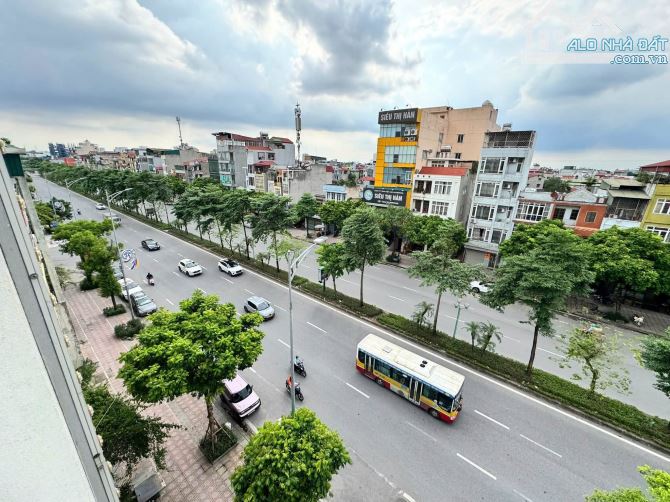
Front Beach is the historic heart — a compact grid of cafes, markets, seafood spots, banks and the ferry pier, wrapped around a curved bay. This is the most walkable part of the city. You can live here without a scooter, running errands on foot and finding a Vietnamese coffee or a proper meal within a few minutes of your door. The bay water is calmer and better for a swim than the open surf on the other side.
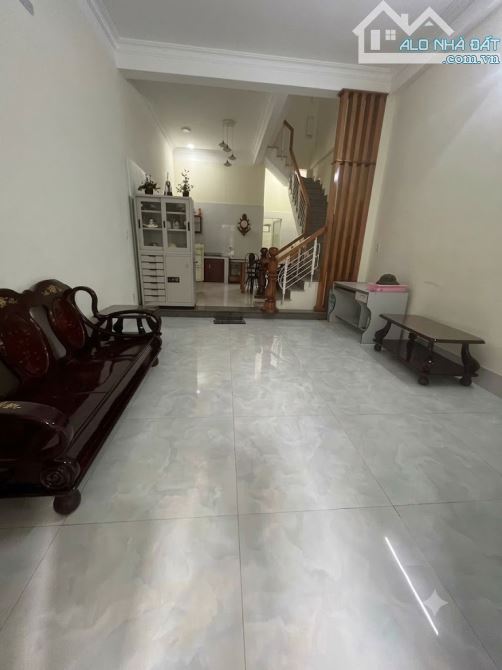
The trade-off is that Front Beach is older and denser. Buildings skew mid-rise and mixed-age rather than glossy new towers, streets can be busy, and true panoramic sea-view apartments are scarcer than on Back Beach. It suits people who value being in the middle of things: solo long-stayers, couples who eat out often, and anyone who wants city life without depending on a bike. If you are set on Front Beach, look toward the streets around Quang Trung and the bayfront, and check the live listings for what is currently open.
Back Beach & Thùy Vân (Bãi Sau): the modern sea-view strip
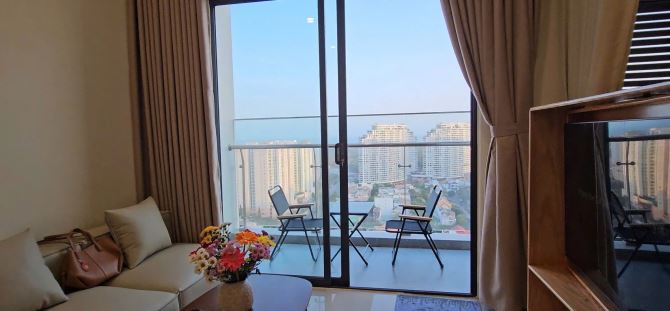
Back Beach is where most of the recognizable expat complexes are, running along Thùy Vân and the open ocean. This is the newer, resort-flavored side: high-rise towers, pools, gyms, and the genuine floor-to-ceiling ocean views people picture when they imagine renting in Vũng Tàu. Complexes expats name most often here include The Sóng, Gold Sea, Vũng Tàu Melody, CSJ Tower, Sơn Thịnh and OSC Land, with Gateway also in the mix. If a balcony over the sea is your non-negotiable, this is the area to search first.
Because the beach is a long straight stretch, walkability depends on the exact building — you may be steps from the sand but a short ride from the denser cafe clusters, so many residents keep a scooter. It is worth being deliberate here: some towers lean heavily short-term and tourist-driven, which can mean noise, turnover and holiday crowds. If you want a calm long-term home, filter for buildings and units let on longer leases, and ask directly how many neighbors are short-stay before you commit.
The quieter pockets: hillside, Thùy Vân's north end, and residential lanes
Beyond the two main beaches are calmer residential areas that rarely make the brochures but often make the best long-term homes. The slopes toward the Small Mountain (Núi Nhỏ) and the lighthouse, the northern stretch of Thùy Vân away from the busiest tourist core, and the residential lanes set a block or two back from either beach all trade a bit of walk-out convenience for quiet, more space, and frequently better value per square meter.
These areas suit families, remote workers who need a stable base, and anyone planning to stay closer to a year. You give up the cafe-downstairs life and usually rely on a scooter or Grab, but you gain a real neighborhood feel and more house-and-townhouse options alongside apartments. The catch is that quiet lanes turn over less often, so good units surface unpredictably — this is exactly where a saved search and alerts earn their keep.
Matching the area to how you actually live
If you are a digital nomad or a shorter-stay solo traveler, Front Beach usually wins: walk everywhere, skip the scooter, and stay near work-friendly cafes and the ferry to the city. If a sea view and resort amenities top your list and you will actually use the pool and gym, Back Beach along Thùy Vân is the obvious hunting ground — just vet the building for short-term churn. If you are moving with a family or settling in for many months, the quieter hillside and residential pockets tend to give more space, calm and value, at the cost of needing wheels.
Whatever the area, weigh the things that don't show in a photo: how noisy the street is at night, whether the beach out front is swimmable in your season, the distance to a school or a real grocery store, and how the building bills electricity, water and management fees. Rent in Vietnam is often just the headline figure, with utilities charged on top — so read the full cost, not the advertised number.
Renting smart and staying scam-safe in any neighborhood
No neighborhood is scam-proof, and the same rules apply whether you land in a Front Beach walk-up or a Back Beach tower. Never pay a deposit before you have seen the exact unit — either in person or on a live video walkthrough, not a set of polished photos. Confirm that the person collecting money is the owner or a genuinely authorized agent, and be openly suspicious of any place priced far below what similar units go for in that area; a too-good listing is the classic bait.
Get everything in writing. Contracts may be in Vietnamese, so ask for a translation before you sign, and know that deposits are commonly one to two months (sometimes more for serviced apartments or villas), with utilities usually billed separately from rent. Registering your temporary residence is the landlord's or host's duty, so confirm they will handle it. Use the live listings and median prices on the page to sanity-check what a given area should cost this month, lean toward complexes and agents that welcome longer leases and in-person viewings, and treat pressure to pay fast as a reason to slow down, not speed up.