How it works, and what you can legally do
You can rent in Đà Nẵng on a tourist visa — that part is normal and fine. The one legal requirement that catches people out is registration: the landlord must register you with the local police, and re-register on each visa renewal. This is the landlord's job, not yours, and a good one does it without fuss. Confirm before you sign that they'll handle it; if someone is evasive about registration, treat it as an early warning about how the whole tenancy will go.
Longer commitments genuinely cut the price. A six-month or one-year lease typically runs cheaper per month than a three-month deal, and a place quoted "per month" is far cheaper than the same unit at a daily holiday rate — roughly a fifth off day rates once you commit to a month. Always insist on a bilingual Vietnamese + English contract, bring your passport (it's required to sign), and pin down in writing exactly what's included and what the electricity rate is before you hand over a cent.
Furnished vs unfurnished — and what's really included
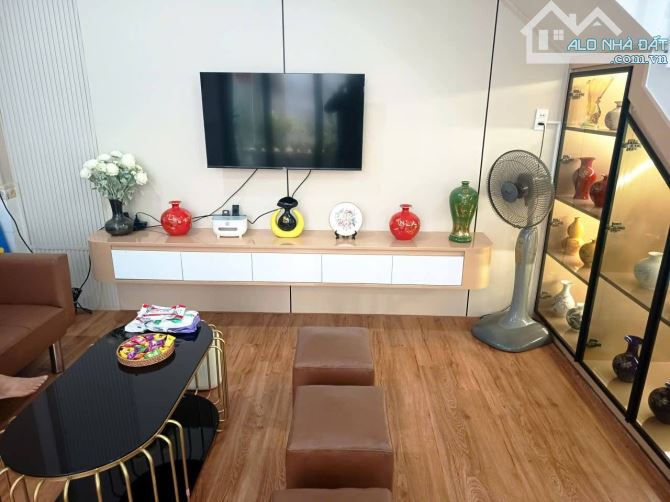
Most rentals aimed at expats in Đà Nẵng come furnished, and many bundle in more than you'd expect: internet, parking and weekly cleaning are frequently already included in the headline rent. That's a real convenience, but it also means the advertised number can hide a lot, so make the landlord itemize it. Ask directly what comes with the place — furniture, appliances, AC in which rooms, internet, parking, cleaning — and get the list into the contract rather than relying on a verbal "yes, everything's included."
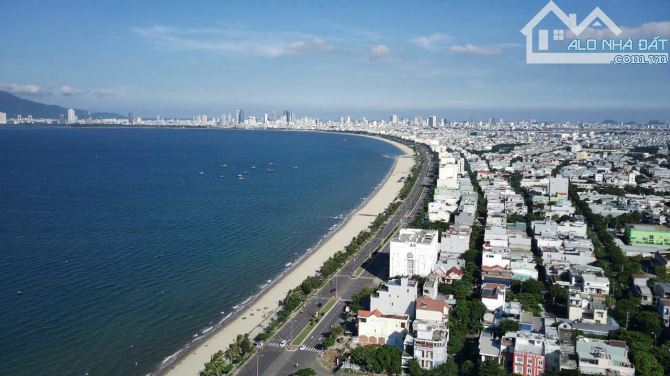
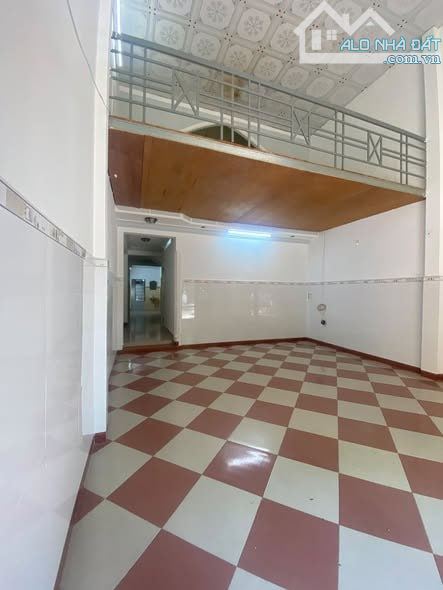
A quality note worth setting expectations on: many buildings near the beach are narrow four-to-seven-storey houses without lifts and with fairly basic finishes, so if a lift or a higher standard matters to you, filter for it deliberately. Tap water is fine for showering, but drink bottled — a 20-litre delivery is cheap and standard. And whatever the ad shows, verify the specifics with a live viewing; furnishings and finish quality are exactly the things that photos flatter.
Deposits, utilities and the electricity trap
Deposits usually run one to three months' rent, and two months is the most common ask in the listings that state one (see the deposit guide); the law does not fix the amount, so one month is a fair opening, sometimes negotiable to count toward your last month. Whatever the figure, get the deposit-refund conditions written into the contract — what it covers, the condition the place must be returned in, and how long you'll wait for it back. Photograph everything on move-in day so a pre-existing scuff doesn't come out of your deposit later.
Electricity is the single biggest variable and the most common way foreigners get overcharged. The official residential tariff is modest, but many landlords bill foreigners at a padded flat rate well above it. With AC running through a Đà Nẵng summer your consumption climbs fast, so that padded rate really adds up. Insist on seeing the meter and agreeing the exact per-kWh price in writing before you sign. Water, by contrast, is cheap and often a small fixed monthly fee, and electricity for light use is modest — it's the inflated rate plus heavy AC that hurts, not the kilowatt-hours themselves.
Before signing, get the electricity rate and billing or metering terms in writing to clarify the applicable rate and billing basis. Rental guidance warns that some landlords quote foreign tenants a rate above the underlying metered or government rate.
Agents, and where to actually look
Good news first: agents are effectively free to renters. Real-estate agents in Đà Nẵng take their commission from the owner, so you shouldn't be paying a finder's fee — if an "agent" demands one from you, be skeptical. Large complexes (F Home, Hiyori and the like) have their own on-site rental agents you can approach directly.
Beyond agents, the real action is online. Facebook groups are the main channel — "Da Nang & Hoi An Expats" for the English scene, and Russian-language groups such as "Дананг — Аренда жилья / Rent in Da Nang" for Russian speakers. Zalo, Vietnam's dominant messenger, and Telegram no-commission rental channels are used to negotiate directly with owners. And the low-tech method still works: walking An Thuong and My An looking for "Cho Thuê" (for rent) signs occasionally turns up unlisted gems, though such signs are rare. Wherever you find a place, cross-check the asking price against the live listings and median prices on this site so you know what the area really costs this month.
When to arrive: the seasonal play
Timing changes both price and hassle. October to December is the rainy and typhoon season and the low tourist season — the best window to negotiate long-term rent down, because owners have empty units and fewer takers. The catch is real: flooding and construction noise are more likely then, so vet the specific building and street rather than just the price.
The dry, peak season runs roughly February to August. Availability tightens and prices firm up, so if you're arriving then, line up viewings and book ahead rather than expecting to stroll in and haggle. Either way, the seasonal discount stacks with the length-of-lease discount — arriving in the low season on a six- or twelve-month commitment is the strongest position you can negotiate from.
How not to get scammed
The golden rule holds everywhere in Vietnam: never pay a deposit or any money before you've seen the place in person or done a live video walkthrough. Photos can be lifted from another listing; a live call proves the unit exists and matches the ad. If a deal seems too good to be true, it is — a price far below comparable units is the classic bait. Confirm the person taking your money is the genuine owner or an authorized agent, not just someone with keys and screenshots, and get a receipt for the deposit.
Watch the specific tricks that target foreigners here: inflated electricity rates, prices quoted in USD to make them sound bigger and firmer, and unexplained fees that appear after move-in. Ask about adjacent empty lots before you commit — sudden construction next door is the single most common livability complaint in Đà Nẵng. Get everything into a bilingual contract, keep records of every payment, and confirm the landlord will handle your police registration. Pressure to "pay fast to hold it" is a reason to slow down, not speed up: there is always another apartment, and losing a deposit to a fake listing hurts far more than missing a real one.
Price benchmarks: Ngu Hanh Son / My An
Updated 27 August 2026. letfind.me’s guide, which describes its rental-price information as current and compiled from open sources and tenant reviews, lists these monthly ranges for Ngu Hanh Son/My An: studios 8–12 million VND (25–45 m²), one-bedroom units 10–15 million VND (40–65 m²), and two-bedroom units 16–25 million VND (55–90 m²). The same guide marks as potentially overpriced prices from 14 million VND for studios, from 18 million VND for one-bedroom units, and from 30 million VND for two-bedroom units. Treat these figures as reference points, not fixed market rates.
HelpRentDaNang's public-listing table, computed on 2026-10-15, shows a one-bedroom in An Thuong asking 7–9 million VND per month on local listings and 14–19 million VND per month on English-language listings. These are asking prices, not completed transactions: RentDaNang.app notes that availability and achieved rents remain unconfirmed.
Noise and pre-signing checks
Noise is a material due-diligence point in An Thuong: rental guidance reports construction, traffic and karaoke noise, and Tuoi Tre has reported late-night noise complaints from accommodation businesses near the An Thuong night market. View the actual unit in person before signing and at different times of day, and document its condition at move-in.
Updated: 2026-10-20